
898 San Mateo Ave, San Bruno, CA (650) 871-1666

ADAS Calibration

ADAS camera, radar, and sensor calibration after collision damage and repairs that may affect driver-assistance systems.

Restoring the body may not complete the repair.

Request an estimate
ADAS sensor adjustment and calibration service
Vehicle being evaluated for collision repair and ADAS calibration

ADAS calibration after collision repair

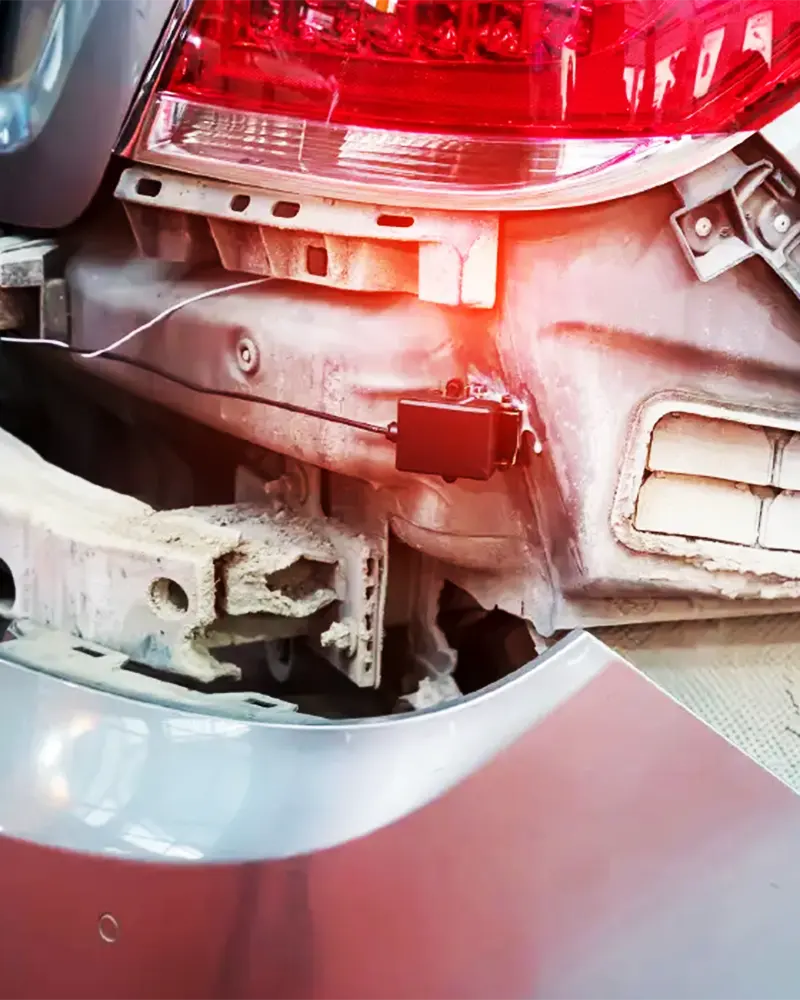
Collision repair can change the position of cameras, radar, and sensors.

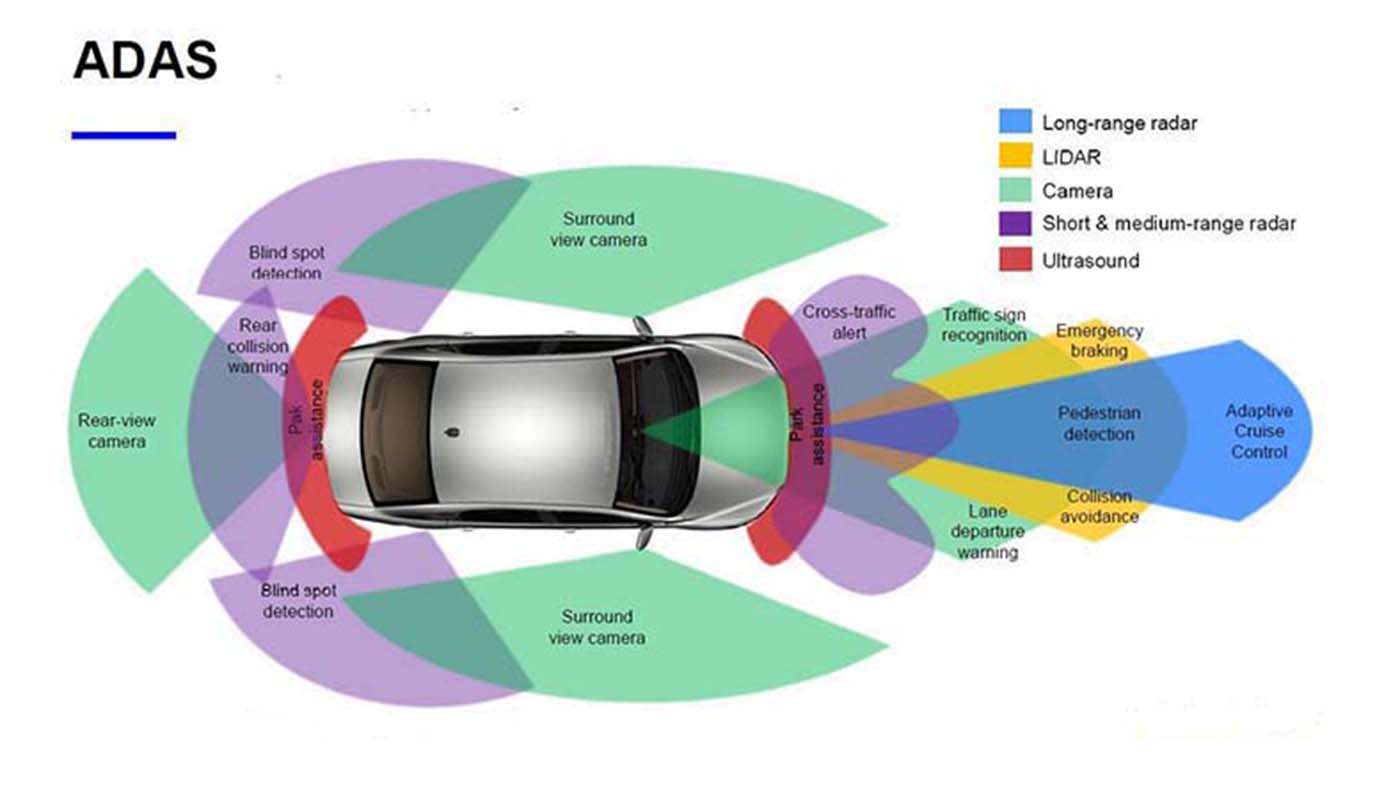
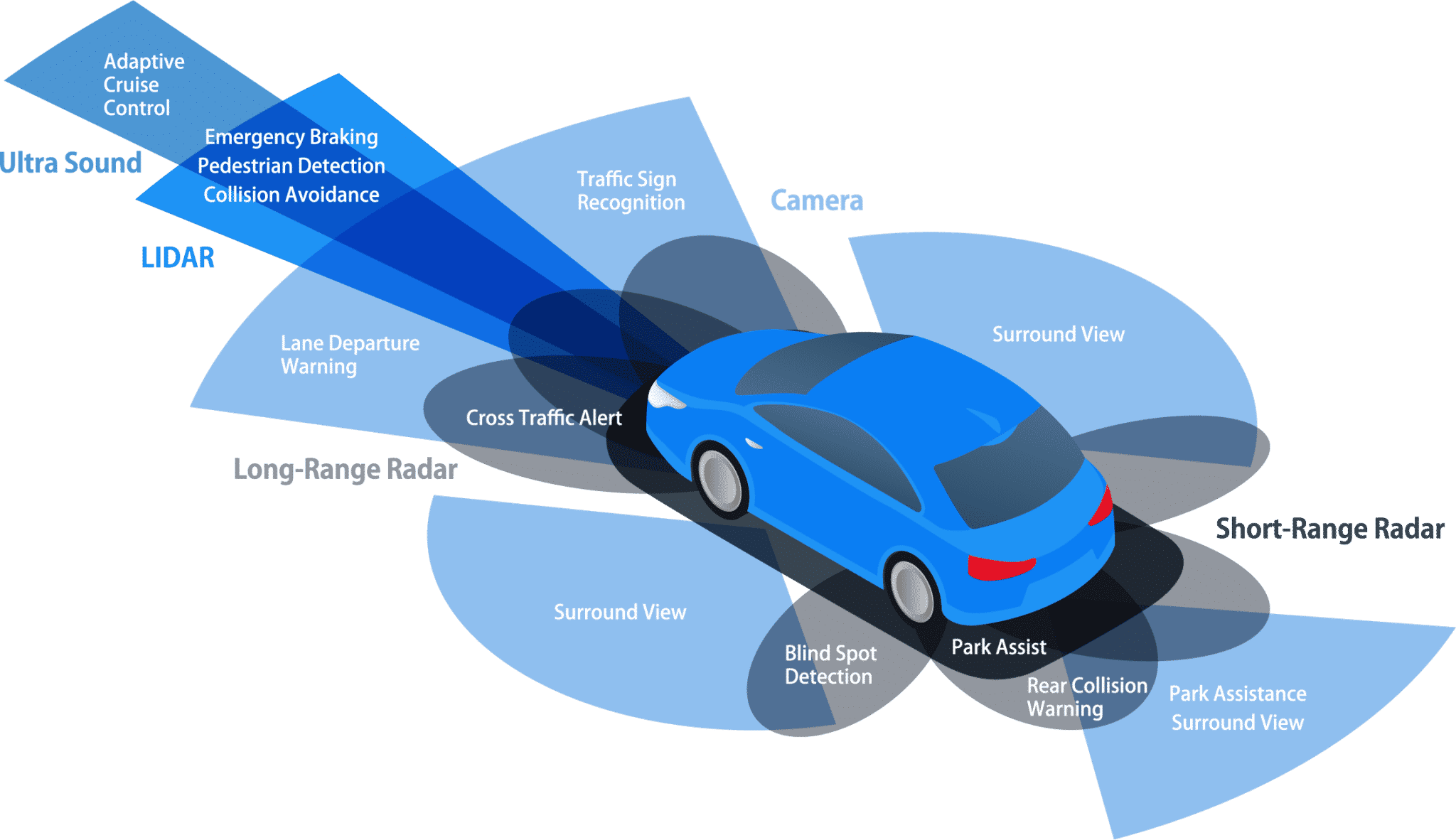
Advanced Driver Assistance Systems use cameras, radar, sensors, and vehicle information to support features such as forward-collision warning, automatic braking, lane assistance, blind-spot monitoring, and parking assistance.

If a collision or repair changes the position of a sensor, camera, body panel, suspension component, or related mounting point, the affected system may require inspection, scanning, or calibration.

Ask whether your vehicle needs calibration
Cameras, radar, and vehicle sensors

Driver-assistance systems depend on components positioned around the vehicle.

ADAS components may be located behind the windshield, grille, bumpers, mirrors, body panels, and other areas affected by collision work.

The calibration requirements depend on the vehicle, the systems installed, the damage involved, and the repairs performed. The correct procedure begins by identifying those factors rather than making assumptions from the outside appearance.

Discuss the affected vehicle systems
Diagram showing cameras, radar, lidar, and sensors used by vehicle ADAS features
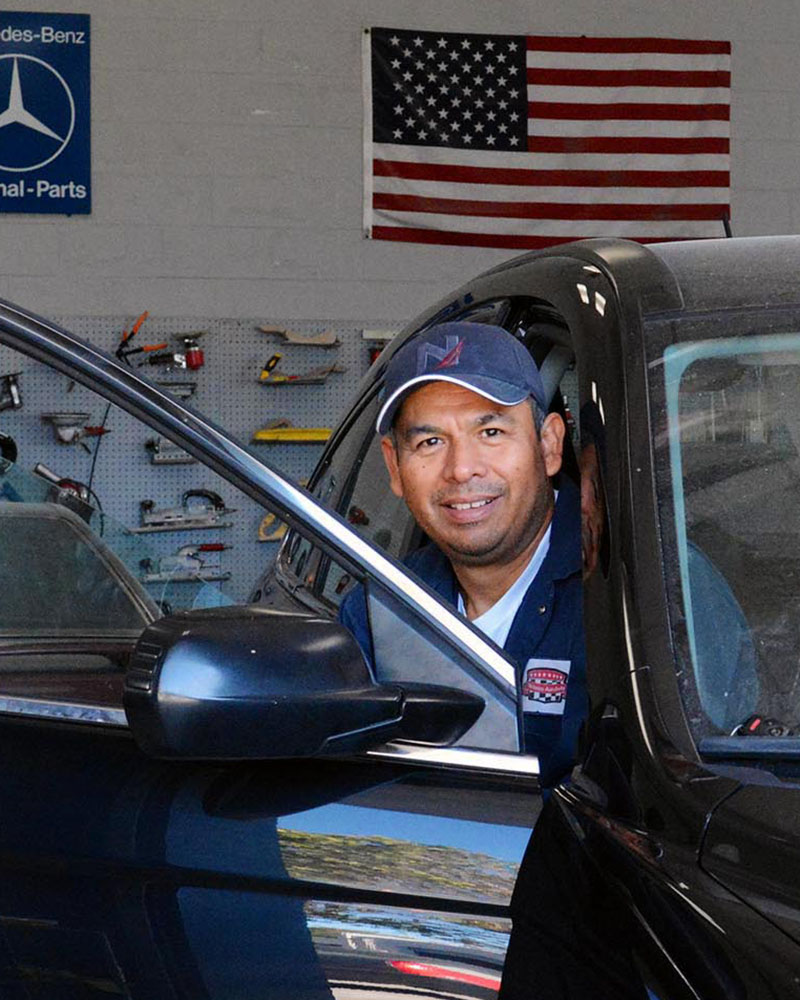
Venny coordinating collision repair and vehicle technology work

Owner-led collision repair coordination

Body repair and vehicle technology cannot be treated as separate jobs.

Removing or replacing a bumper, windshield, mirror, suspension component, or structural part can affect equipment used by driver-assistance systems.

Venny’s decades of auto body experience guide how Technics connects the physical repair with scanning, calibration requirements, and communication about what the vehicle needs. The objective is a complete repair plan—not an isolated technical procedure.

Explore complete collision repair

ADAS scanning, calibration, and verification

The required procedure depends on the vehicle and the repair performed.

Manufacturer procedures may call for static calibration with specialized targets, dynamic calibration while the vehicle is driven under specified conditions, or a combination of procedures.

Relevant diagnostic checks and calibration results are reviewed as part of completing the work. If another related condition still requires attention, it should be identified rather than hidden behind a completed body repair.

Request an ADAS calibration assessment
Damaged rear ADAS sensor exposed during collision repair

ADAS calibration questions

What drivers usually want to know.

ADAS calibration positions or aims cameras, radar, and other sensors so supported driver-assistance features can interpret their surroundings as the vehicle manufacturer intends. The required procedure depends on the vehicle and the system involved.

Calibration may be required after damage, removal, replacement, or movement of a camera, radar unit, sensor, windshield, bumper, body panel, suspension, or alignment-related component. Vehicle-specific repair information determines the procedure.

Not necessarily. A sensor can be mounted or aimed outside its required position without producing an obvious dashboard warning, which is why repair procedures and calibration requirements must be checked directly.

Static calibration uses specified targets and measurements while the vehicle is stationary. Dynamic calibration uses a prescribed driving procedure; some vehicles require one method, while others may require both.

It may cost considerably less when Technics can perform the procedure required for the vehicle. We identify the applicable procedure and explain the expected cost before the calibration is authorized.

Your next step

Could collision repairs have affected your vehicle’s cameras, radar, or sensors?

Call (650) 871-1666

898 San Mateo Ave
San Bruno, CA 94066